 All journeys
South Iceland Winter Expedition
5 Days / 4 Nights · Winter (November–March)
Five winter days in southern Iceland with real depth south coast in different lights, a proper blue ice cave, a flexible Southern Highlands day when conditions allow, and the best realistic odds you can build for the northern lights into a short trip.
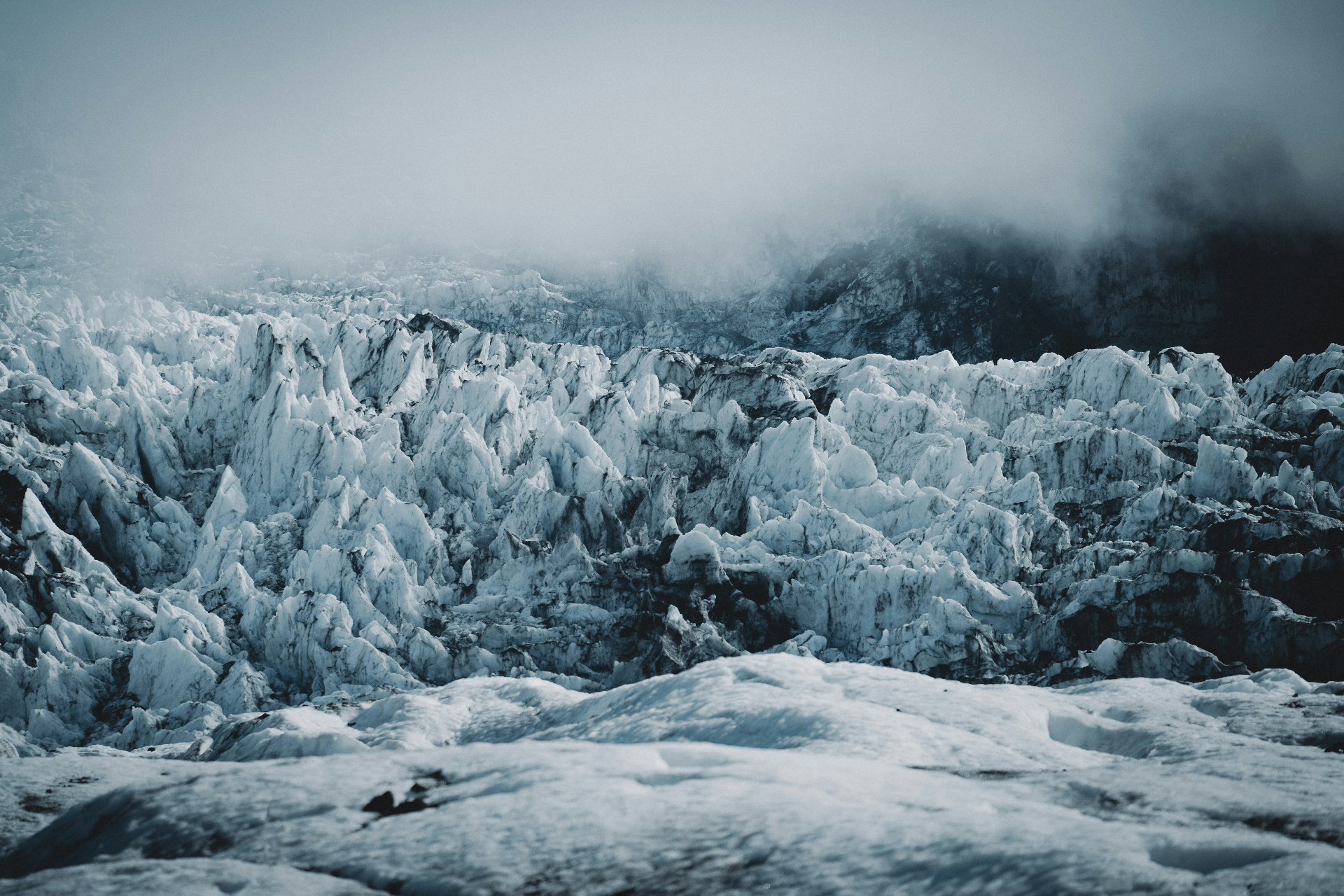
Five days is the sweet spot for a winter trip that goes beyond the standard south-coast loop. Two nights inside Vatnajökull National Park give you real time on the glacier and at the lagoon. A second south-coast day at a slower tempo lets you revisit places in different light. A weather-dependent highlands day shows you a part of Iceland most visitors never reach. And the Golden Circle finishes the trip on the way back to the city with three potential northern-lights windows from properly dark countryside skies along the way.
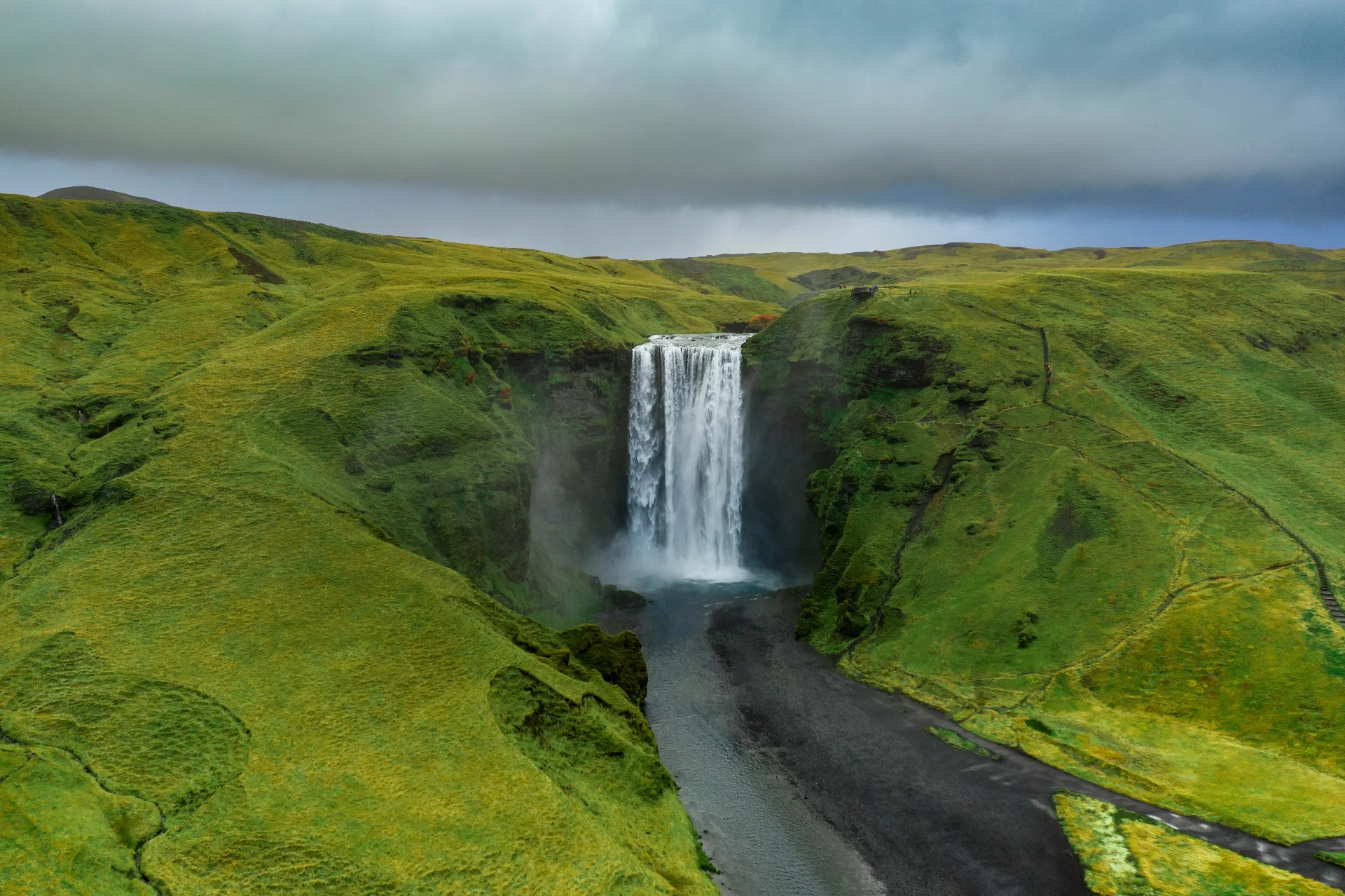
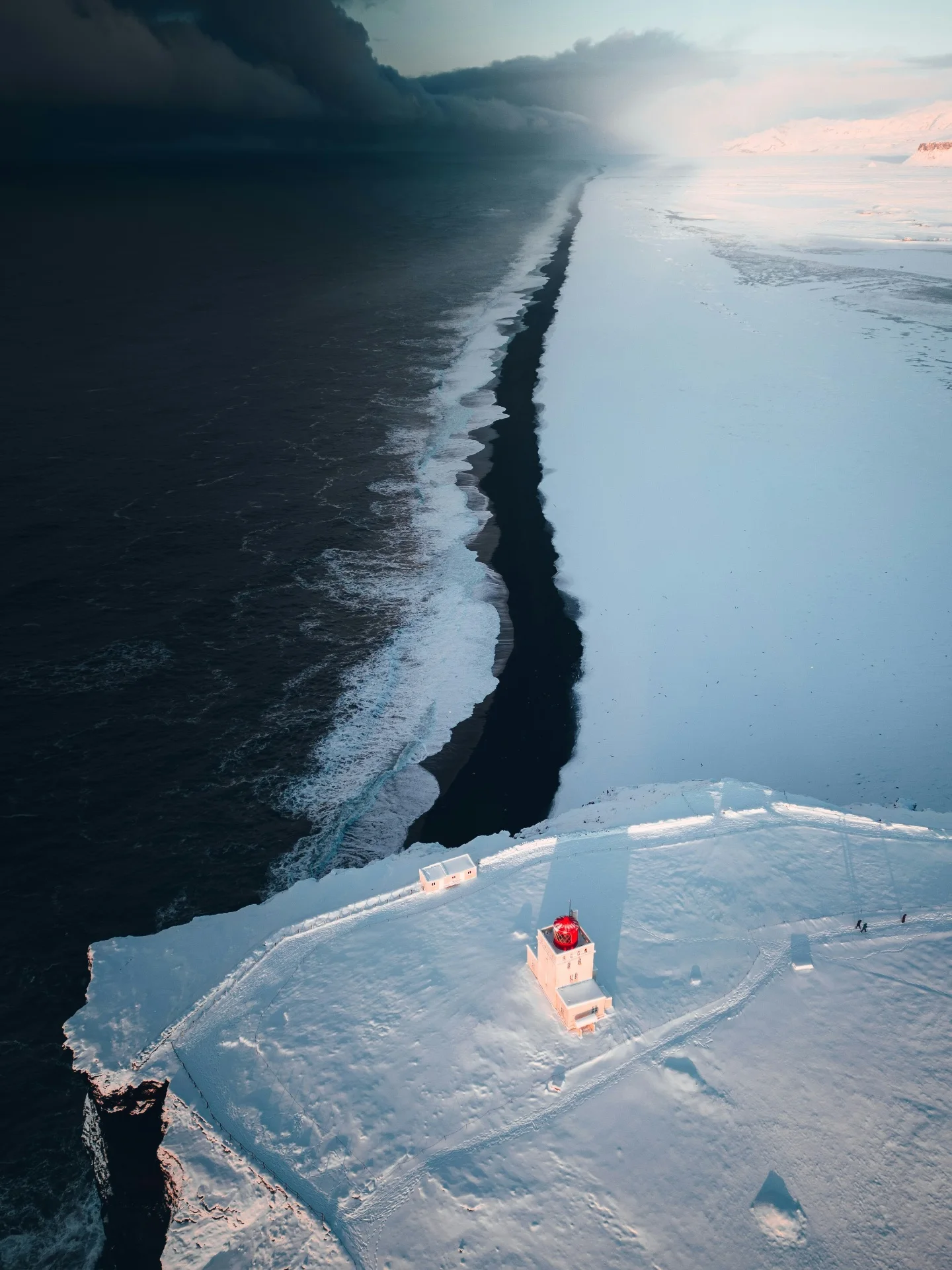
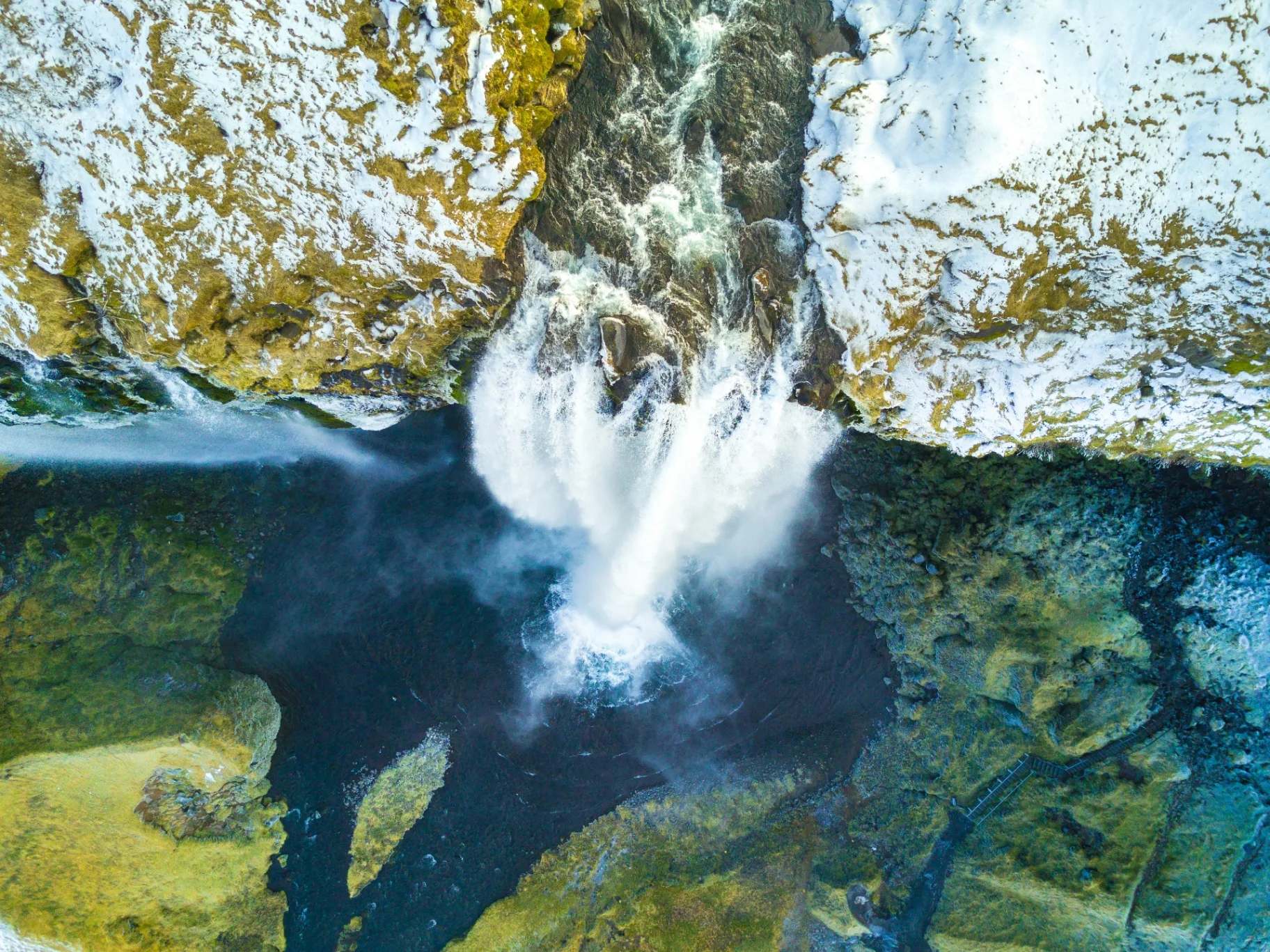
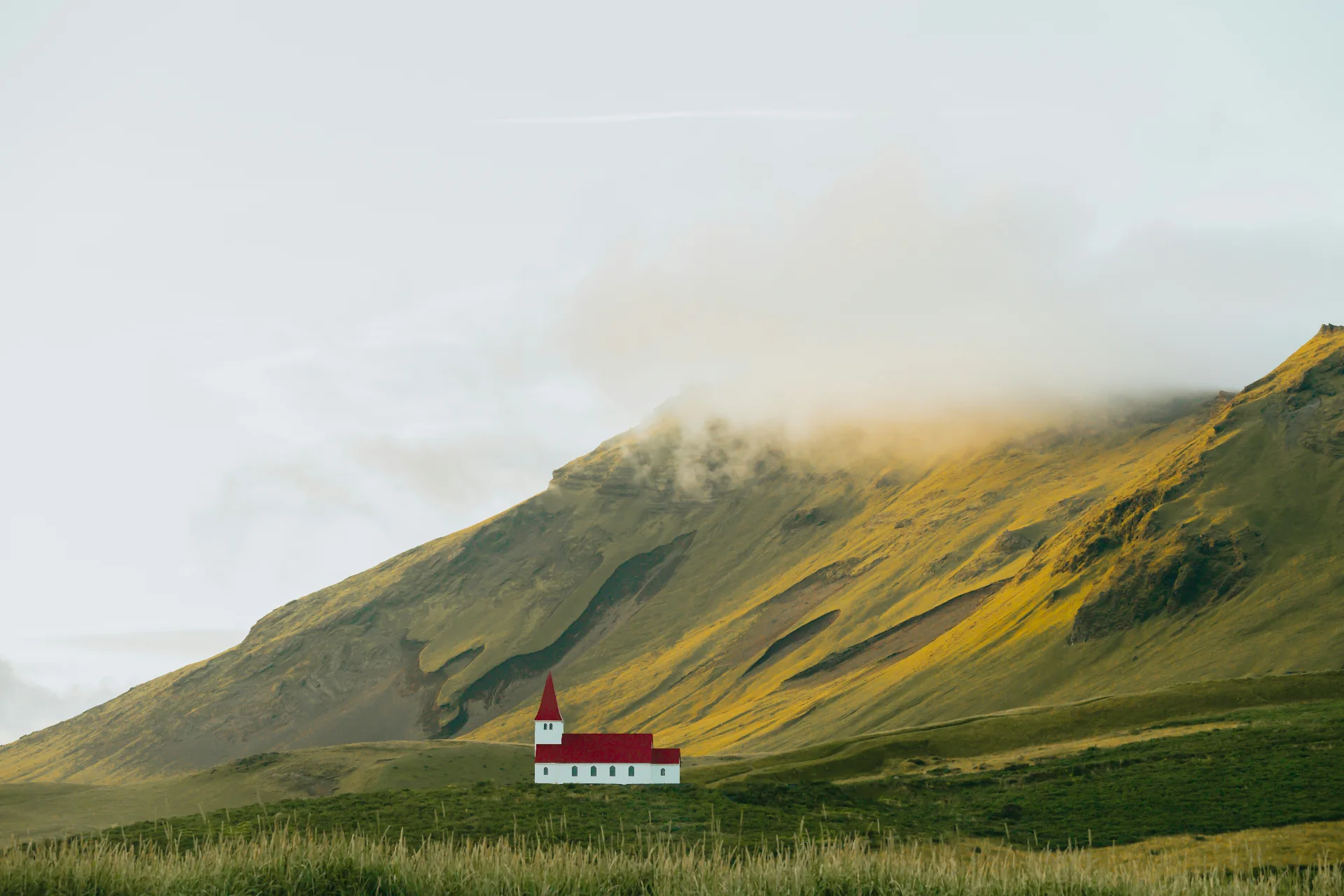
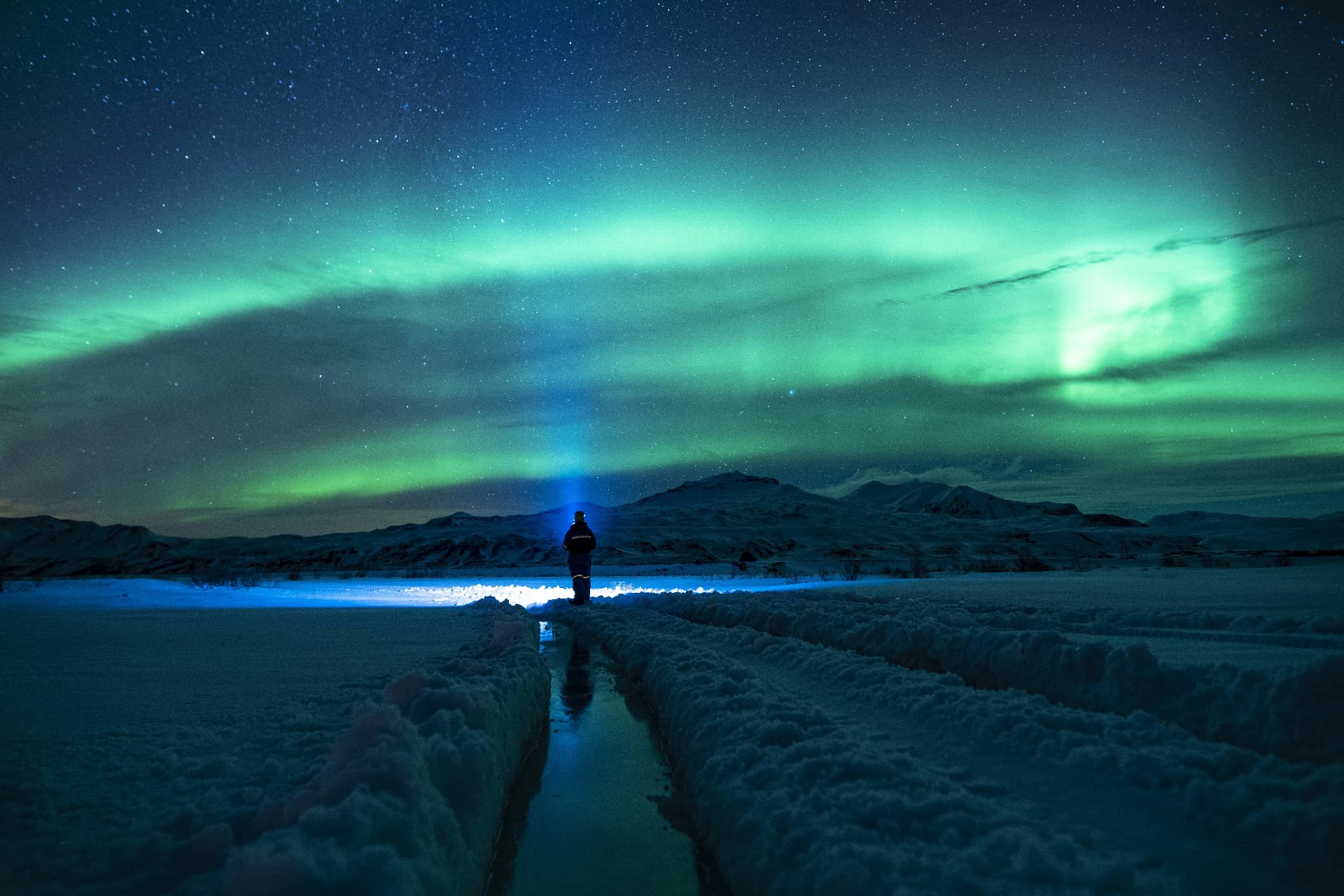
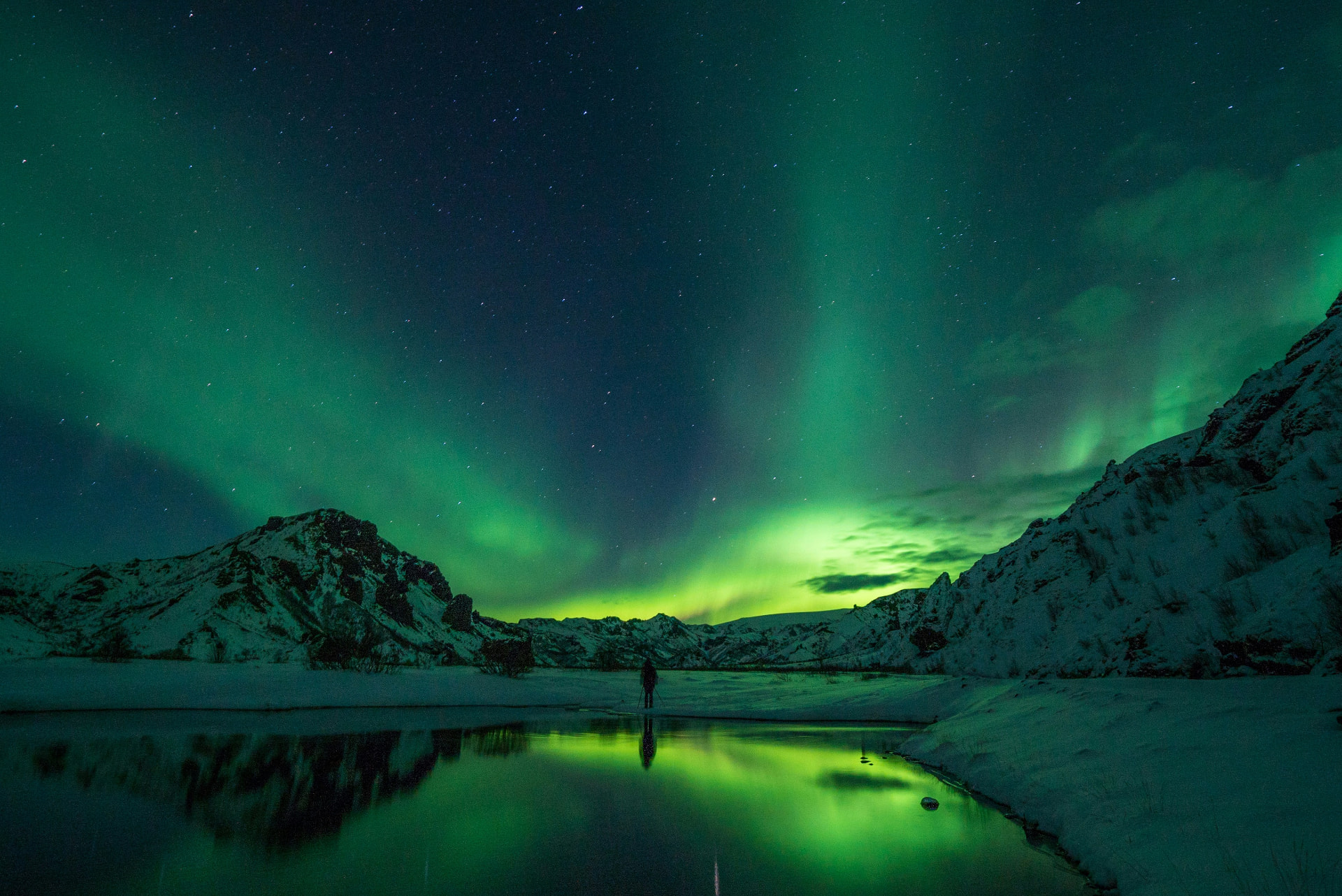
Day one runs the south coast. Seljalandsfoss and Skógafoss provide the first big hits one a tall ribbon of water dropping from a former sea cliff, the other a solid wall of water that fills the valley with sound. In winter, paths can be icy, so your guide advises which viewpoints make sense that day. You then continue to Reynisfjara Black Sand Beach, where black sand, basalt columns and steady winter swell make it one of the most memorable shorelines in Iceland your guide's instructions on where to stand and for how long are non-negotiable here. A short stop in Vík offers a warm break and a look at the sea stacks from town. As the day goes on, glaciers appear on the horizon and draw closer as you enter Vatnajökull National Park. You reach your hotel in the southeast by late afternoon, so you can settle in and have dinner without feeling rushed. During your stay outside Reykjavík, your guide picks one night with the best balance of cloud cover and solar activity for a proper northern lights attempt.
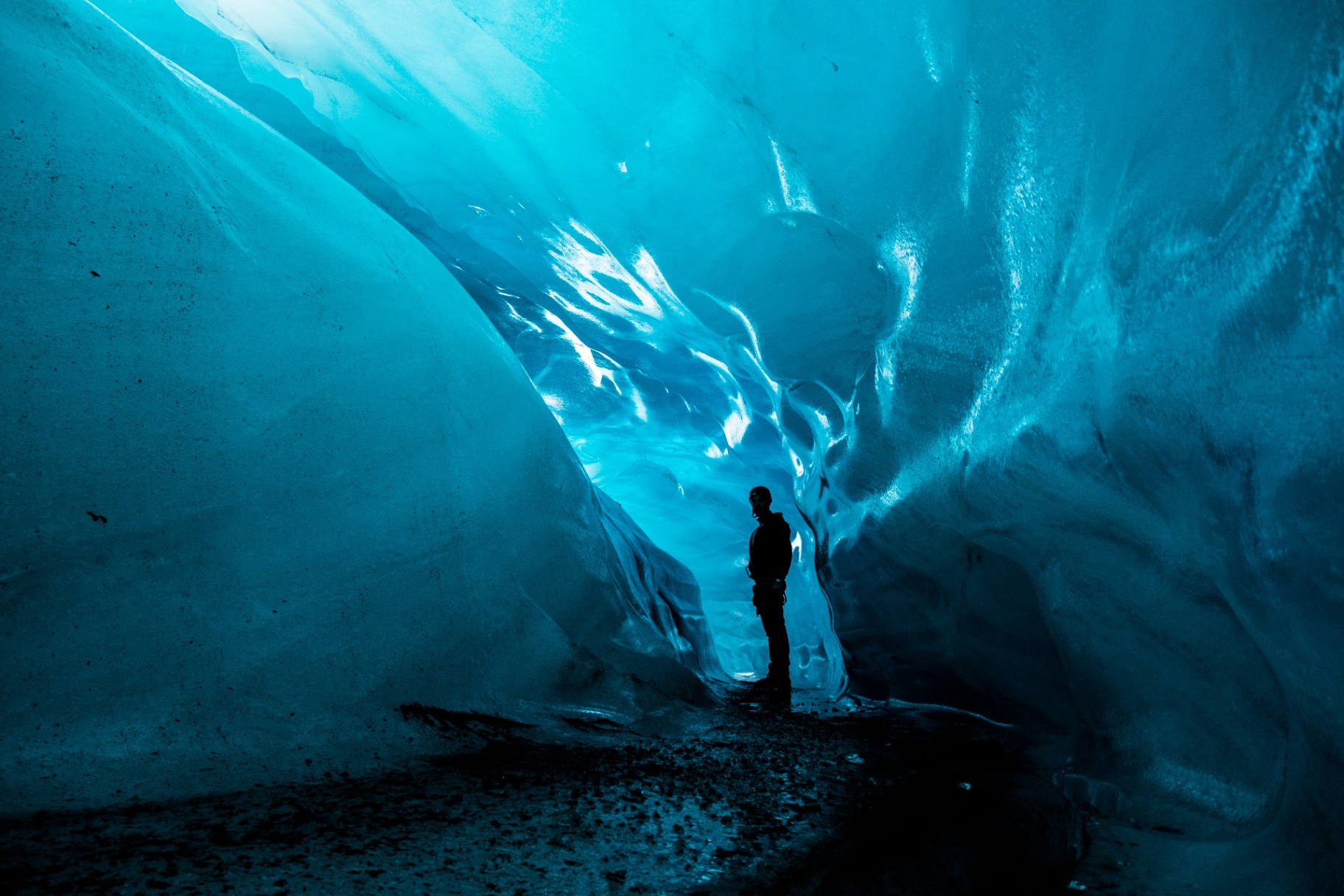
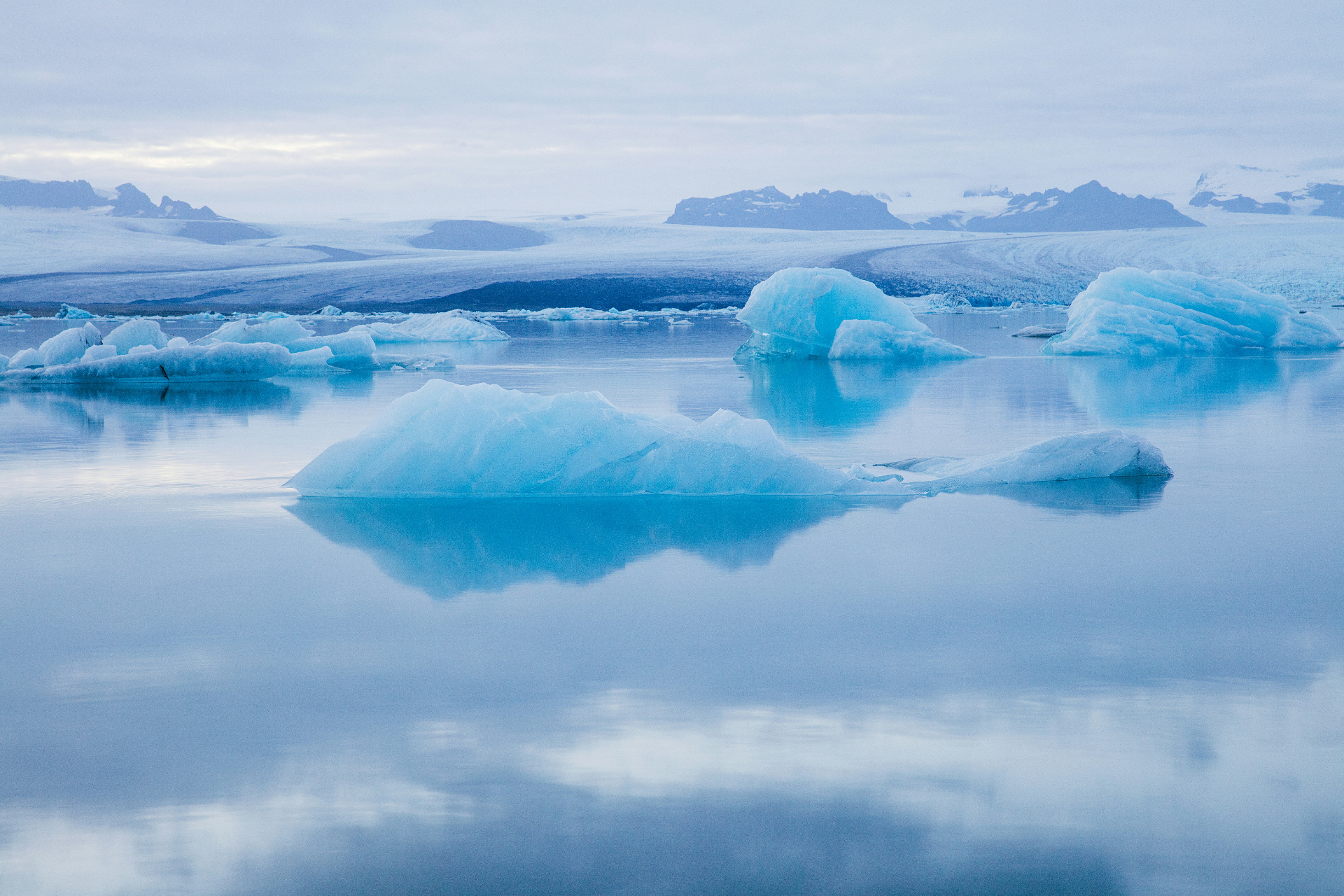
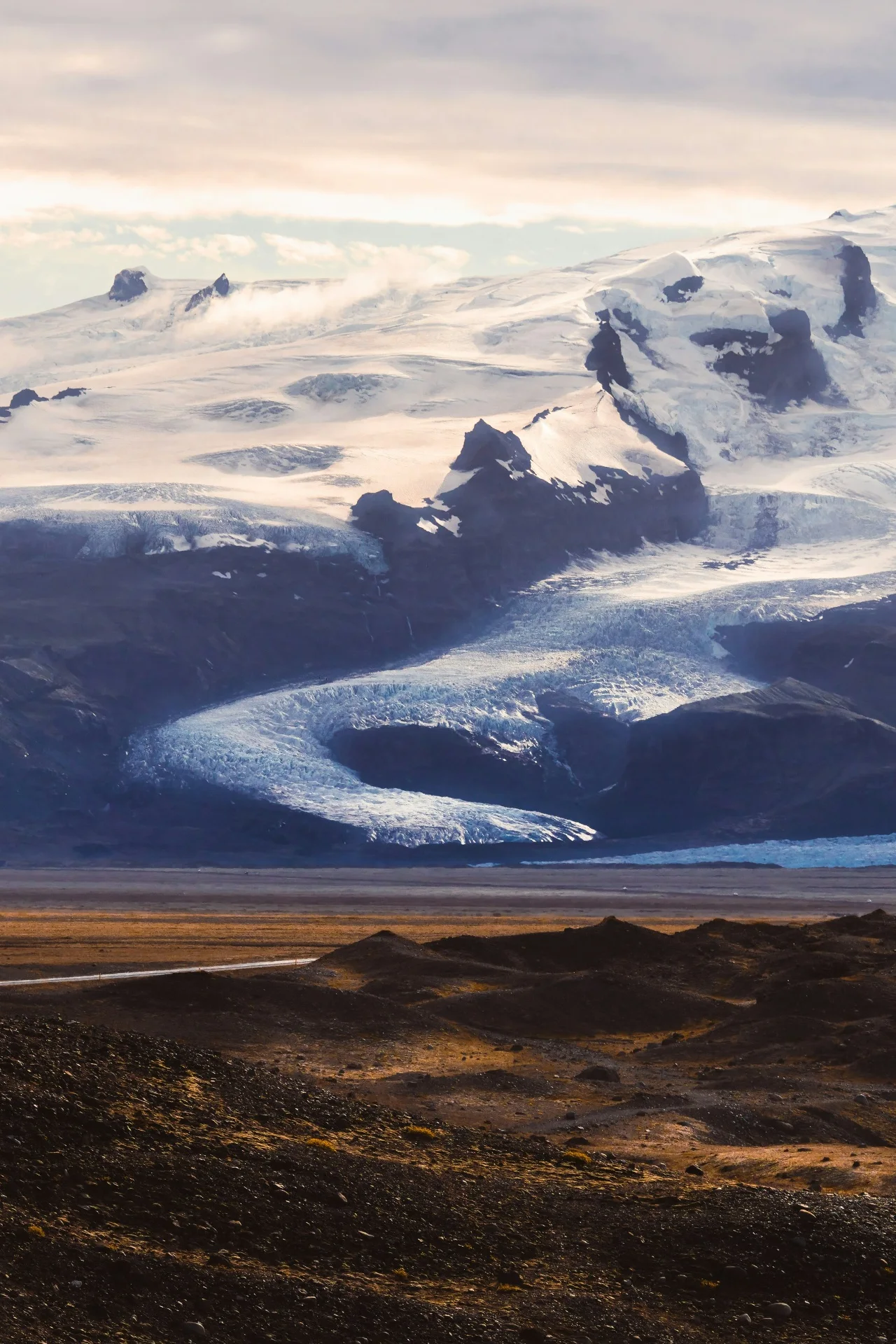
Day two showcases Vatnajökull from the outside and the inside. You begin at Jökulsárlón Glacier Lagoon, where icebergs drift slowly across the water before breaking up and moving out to sea. Diamond Beach is directly across the road, and a walk among smaller pieces of ice on the black sand gives the scene a completely different feel from the lagoon itself. Later you meet local guides and travel by super jeep to one of the outlet glaciers for an ice cave experience. The walk to the cave is usually short but can be on uneven ground, so your guide will set the pace. Inside the cave, layers of blue ice, pockets of trapped air and old ash tell the story of winters and eruptions that predate everyone in the group. There is time to stand, look, photograph and ask questions without needing to rush through. You return to your hotel near the park by mid to late afternoon, leaving the evening clear for dinner and, if the forecast cooperates, a possible second, more informal aurora look-out.
Day three begins working west again, but at a calmer tempo than day one. Fjaðrárgljúfur canyon is a natural first stop, and walking the rim in winter gives you a better sense of the scale and shape of the place than a quick summer visit ever does. Depending on weather and light, you might pause again in Vík or at Reynisfjara, or take a different stop your guide suggests on the day. The idea is not to repeat day one but to use the extra time to see familiar places in new conditions. By late afternoon you reach a countryside hotel further west, again away from larger settlements and with open sky around you.
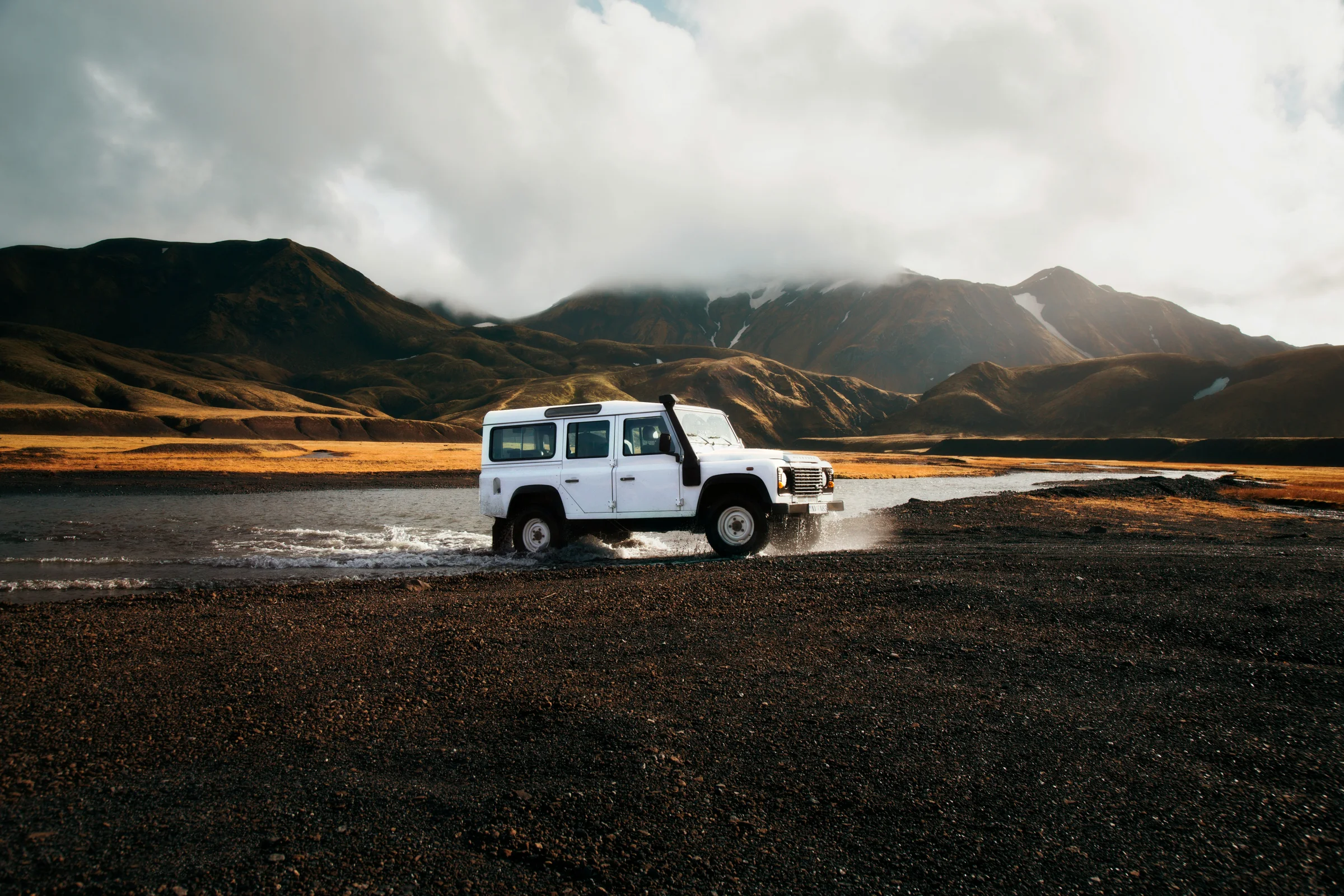
Day four is structured around conditions rather than a fixed checklist. If the highland roads are open and recent weather has been kind, your guide will take you into the Southern Highlands on tracks that most visitors never see. The exact route depends on river levels, snow and your appetite for time in the vehicle versus time on foot. On a typical highland day you might combine rougher tracks, short walks to crater rims or viewpoints, and a quiet spot for a simple picnic lunch with no buildings in sight. Some routes include natural hot springs; others focus on wide-open views and textures in the rock and ash. Your guide will talk you through the options up front and adjust if the weather changes during the day. By late afternoon you return to lower ground and your accommodation. It is the kind of day that is hard to summarise in a brochure but tends to be the one people talk about when they get home.
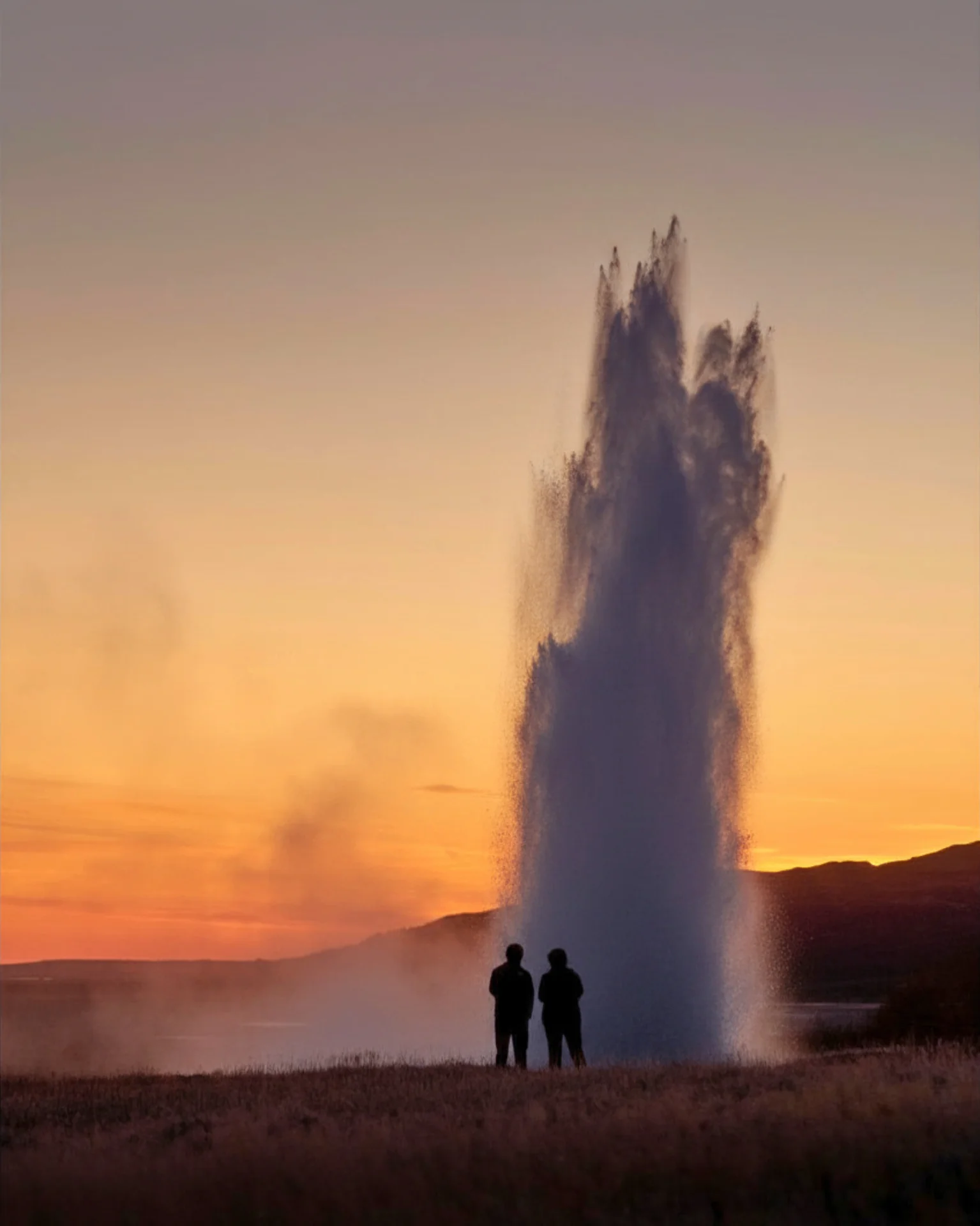
Day five turns back toward Reykjavík via the Golden Circle. Gullfoss is first, and in winter the combination of moving water, ice and low sun can make it feel very different from the classic summer images. Your guide leads you to the safest viewpoints based on current conditions. From there you continue to the Geysir geothermal area, where geyser eruptions, steam and hot pools give a compact, high-energy view of the volcanic system. Lunch at Friðheimar greenhouse follows sitting among rows of tomato plants while the surrounding countryside is under snow is a neat summary of how Icelanders have learned to work with their environment. In the afternoon you reach Þingvellir National Park. Short walks here connect viewpoints over the rift and the plain where the early Icelandic parliament used to meet, before the final drive into Reykjavík.
“Five days that build in three real shots at the aurora and a flexible highland day when the weather plays.”
- Day 1
South Coast Highlights
What makes today specialYour guide meets you this morning and you set off along the south coast. Seljalandsfoss and Skógafoss provide the first big hits one a tall ribbon of water dropping from a former sea cliff, the other a solid wall of water that fills the valley with sound. In winter, paths can be icy, so your guide will advise which viewpoints make sense that day. You then continue to Reynisfjara Black Sand Beach, where black sand, basalt columns and steady winter swell make it one of the most memorable shorelines in Iceland. This is a place where your guide's instructions on where to stand and for how long are non-negotiable; the waves here do not always signal their intentions ahead of time. A short stop in Vík offers a warm break and a look at the sea stacks from town. As the day goes on, glaciers appear on the horizon and draw closer as you enter Vatnajökull National Park. You reach your hotel in the southeast by late afternoon, so you can settle in and have dinner without feeling rushed. During your stay outside Reykjavík, your guide will pick one night with the best balance of cloud cover and solar activity and use it for a proper northern lights attempt sometimes a short drive to find clearer skies, sometimes simply walking away from buildings at your hotel.
Highlights- Seljalandsfoss
- Skógafoss
- Reynisfjara
- Vík
- Vatnajökull arrival
- Aurora hunt
- Day 2
Glacier Experiences within Vatnajökull National Park
What makes today specialThis day showcases Vatnajökull from the outside and the inside. You begin at Jökulsárlón Glacier Lagoon, where icebergs drift slowly across the water before breaking up and moving out to sea. Diamond Beach is directly across the road, and a walk here among smaller pieces of ice on the black sand gives the scene a completely different feel from the lagoon itself. Later you meet local guides and travel by super jeep to one of the outlet glaciers for an ice cave experience. The walk to the cave is usually short but can be on uneven ground, so your guide will set the pace. Inside the cave, layers of blue ice, pockets of trapped air and old ash tell the story of winters and eruptions that predate everyone in the group. There is time to stand, look, photograph and ask questions without needing to rush through. You return to your hotel near the park by mid to late afternoon, leaving the evening clear for dinner and, if the forecast cooperates, a possible second, more informal northern lights look-out.
Highlights- Jökulsárlón
- Diamond Beach
- Blue ice cave
- Super jeep
- Possible second aurora
- Day 3
South Coast Highlights
What makes today specialToday you begin working your way back west along the south coast, but at a calmer tempo than on day one. Fjaðrárgljúfur canyon is a natural first stop, and walking the rim in winter gives you a better sense of the scale and shape of the place than a quick summer visit ever does. Depending on the weather and light, you might pause again in Vík or at Reynisfjara, or take a different stop your guide suggests on the day. The idea is not to repeat the first day exactly, but to use the extra time to see familiar places in new conditions. By late afternoon you reach a countryside hotel further west, again away from larger settlements and with open sky around you.
Highlights- Fjaðrárgljúfur revisit
- Vík
- South coast flex stops
- Possible third aurora
- Day 4
Southern Highlands Discovery
What makes today specialToday is structured around conditions rather than a fixed checklist. If the highland roads are open and recent weather has been kind, your guide will take you into the Southern Highlands on tracks that most visitors never see. The exact route depends on river levels, snow and your appetite for time in the vehicle versus time on foot. On a typical highland day you might combine rougher tracks, short walks to crater rims or viewpoints, and a quiet spot for a simple picnic lunch with no buildings in sight. Some routes include natural hot springs; others focus on wide open views and textures in the rock and ash. Your guide will talk you through the options up front and adjust if the weather changes during the day. By late afternoon you return to lower ground and your accommodation.
Highlights- Highland tracks
- Short walks to viewpoints
- Possible hot springs
- Wild picnic lunch
- Day 5
Golden Circle Sightseeing
What makes today specialOn your last day you turn back toward Reykjavík via the Golden Circle. Gullfoss is first, and in winter the combination of moving water, ice and low sun can make it feel very different from the classic summer images. Your guide will lead you to the safest viewpoints based on current conditions. From there you continue to the Geysir geothermal area, where geyser eruptions, steam and hot pools give a compact, high-energy view of the volcanic system that underpins much of this itinerary. Lunch at Friðheimar greenhouse follows. Sitting among rows of tomato plants while the surrounding countryside is under snow is a neat summary of how Icelanders have learned to work with their environment. In the afternoon you reach Þingvellir National Park. Short walks here connect viewpoints over the rift and the plain where the early Icelandic parliament used to meet. It is a good place to join the geological and human stories of the island together before the final drive into Reykjavík.
Highlights- Gullfoss
- Geysir & Strokkur
- Friðheimar greenhouse lunch
- Þingvellir
Send an Inquiry
Pricing is shared by private proposal, typically within 1–2 business days, followed by a call to walk through the journey together.
Designed in Reykjavík
Built locally. Run locally.
Hand-Selected Hotels
Every hotel is paired to your desires.
High-End Vehicles
Private fleet. New models.
Designed, Not Brokered
We write your itinerary. We don't resell someone else's.