
A private Iceland,designed around you
Iceland specialists, from Reykjavik
Easy Travel Iceland was founded in 2023 by guides and travel specialists who had already spent years across the country. We design private day tours, multi-day journeys, and bespoke self-drive itineraries. Each one is shaped in Reykjavik, around your group, by a Trip Designer.
Iceland, in a day
Three signature routes to begin with. The full collection, beneath.
WHERE TO BEGIN
How we shape your journey
Three things, by hand.
The itinerary
Every route is shaped by a Trip Designer around the places, landscapes, and experiences you want from Iceland.
The guide
Your guide is chosen for your journey, your travel style, and the kind of atmosphere you're looking for.
The timing
The freedom to move through the day at your own pace, and the rhythm of travel you prefer.
Beyond a day
Private journeys across Iceland with dedicated guides, high-end vehicles, hand-selected hotels, and experiences ranging from glacier hikes and ice caves to custom activities along the way - all shaped by a Trip Designer.
Have something more personal in mind?
Bespoke journeys, designed from scratch for you.
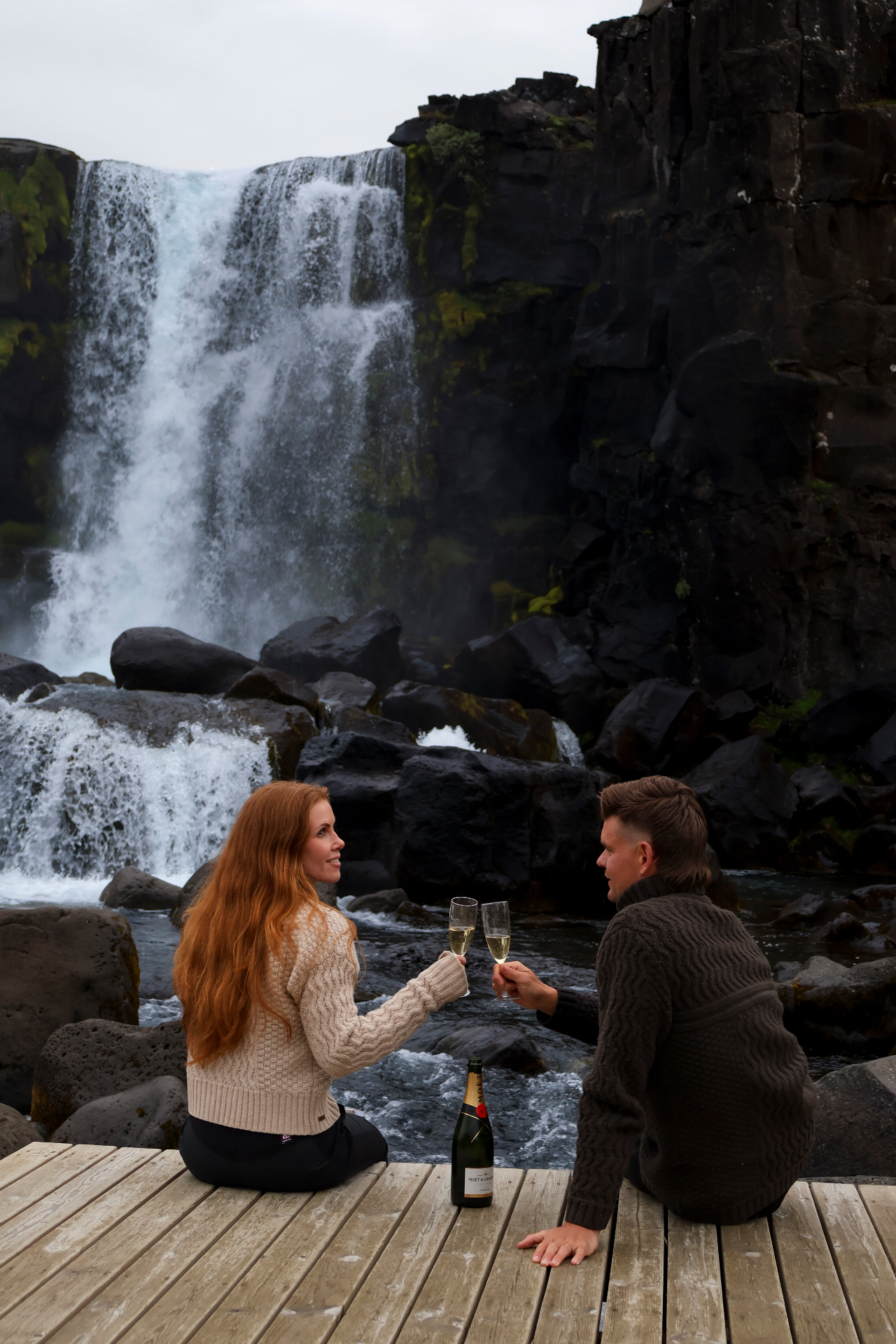
Helicopter over a volcano? Proposal behind a waterfall?
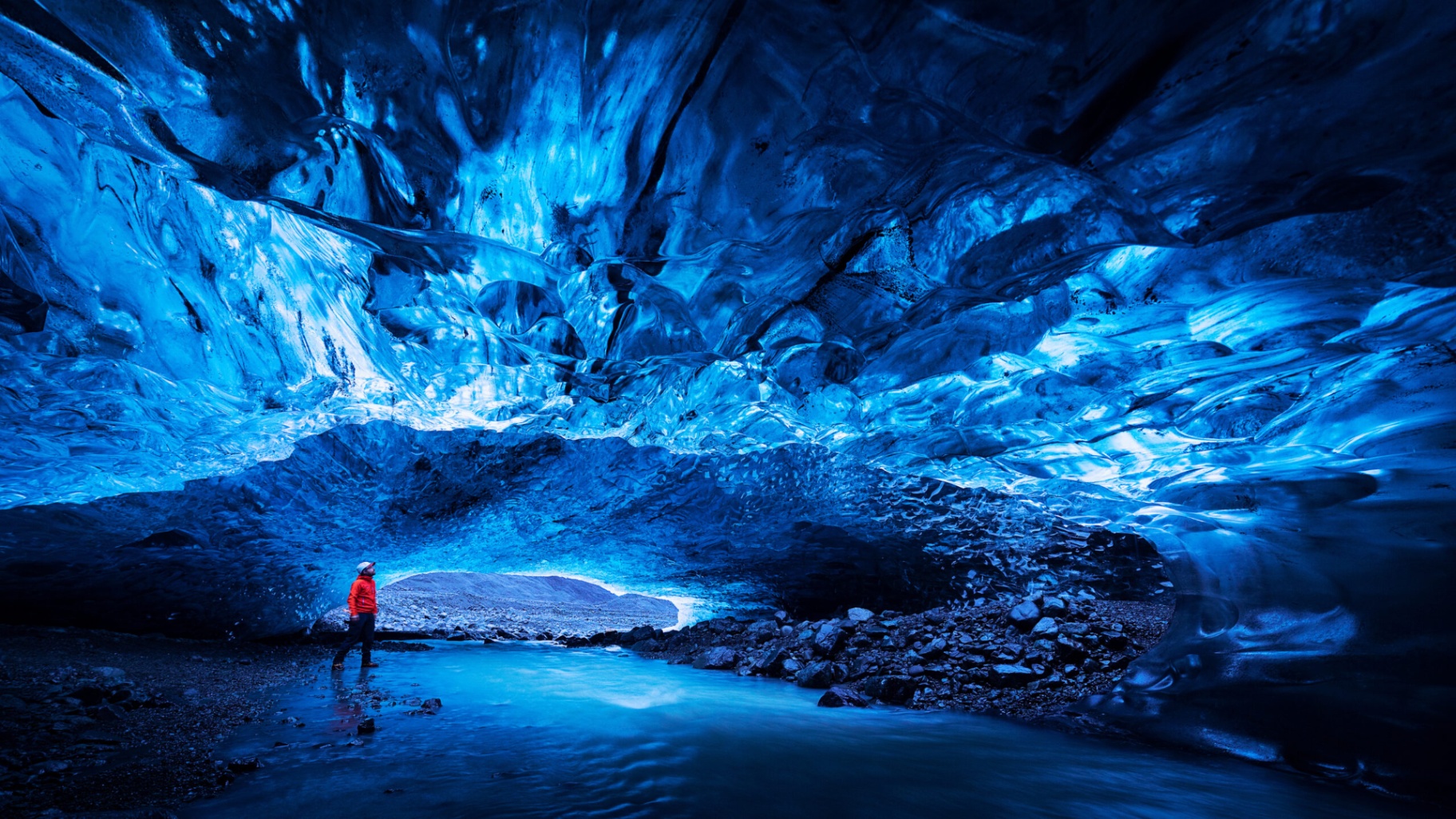
Ice cave + glacier hike in one day?
From special occasions to once-in-a-trip ideas — designed around you.
Other paths through Iceland.
Self-drive
Hand-selected hotels, your choice of vehicle, every activity pre-booked. You drive — we design the rest.
VIEW SELF-DRIVE JOURNEYSFor travel advisors
Trade rates, IATA TIDS, full white-label. You stay the face — we design and deliver the days.
BECOME A PARTNERFrom the people who travelled with us.
Private Golden Circle Tour
"Had a fantastic day on the Golden Circle with our guide. Saw all the famous sights — Kerið crater, a frozen waterfall, even an Icelandic horse — plus a few fun bonus stops we hadn't expected. Highly recommend booking with Easy Travel."
Ian Hepworth
London · Mar 2026
Private South Coast Tour
"Our driver and guide was amazing. We spent the day exploring the southern part of Iceland and he was wonderfully flexible and accommodating with our family. We will absolutely use Easy Travel again on our next trip to Iceland. Thank you."
Joy Shaeffer
USA · Apr 2026
Private Northern Lights Evening Tour
"Our guide made our Northern Lights night unforgettable. His knowledge, his enthusiasm, and his constant attention to finding the best viewing spots paid off — we saw the aurora dancing across the sky. He brought blankets and hot chocolate to keep everyone warm. Easy Travel — highly recommend."
Ian Hepworth
London · Mar 2026
Questions before booking?
What travellers ask before they begin.